
DISCLAIMER: The opinions expressed in the candidates responses are the sole views of their own. They do not reflect the opinions or views of the Rochester Area Chamber of Commerce or its members. The publication of the candidates statements therein do not imply the expression of any endorsement whatsoever by the Rochester Area Chamber of Commerce or its members.

District 20B
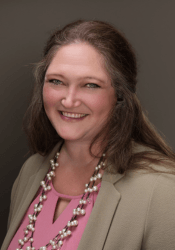

Sara Bertschinger (R)
Why are you running for State Representative, and how does your experience qualify you for the position?
I’m Sara Bertschinger; wife, nurse and citizen advocate. Running to preserve our district’s legacy of conservative rural values. Together, we will defend our Constitution, uphold our values, and restore accountable government.
What are your top two priorities/issues as a candidate for the legislature?
Accountable Government, Financial Responsibility, and Economic Opportunity
What can the state legislature do to improve Minnesota's business climate and make the state more competitive for business and job growth?
The simplest answer is less government more freedom. People in my district are telling me some of the biggest hindrances to economic growth are burdensome regulations, micromanaging, unfair standards/expectations and unfunded mandates. We need to take a hard look to see where we can unchain growth potential, create consistency, and enable business to thrive.
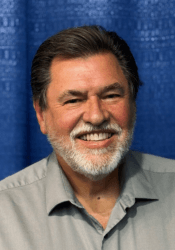
Steve Holm (DFL)
Why are you running for State Representative, and how does your experience qualify you for the position?
I am running for the people of the state of Minnesota. We need affordable healthcare with the ability to make our own decisions about our medical care. Farmers must be able to make a living off their land. Businesses must have an environment where they can thrive. We need to improve our children’s educational experiences and raise test scores. We need to build more affordable housing, keep our water clean and our environment healthy. I spent 41 years at the Mayo Clinic as an Analyst Programmer leading teams that enhanced the electronic medical record. I served seven years as a Supervisor on the Saratoga Township Board and I am currently a member of the Winona County Planning and Zoning committee, as well as a MiEnergy Advisory Committee member and president of two local cemetery associations. These experiences give me the leadership, government and regulatory skills needed to serve Minnesota well in the House.
What are your top two priorities/issues as a candidate for the legislature?
My top priority is to give Minnesotans the ability to live their lives without fear. To remove the anxiety of financial hardship, healthcare woes, housing shortages, concern about where their next meal is coming from and not being able to make their own healthcare decisions. Minnesotans deserve better and I will work to improve the lives of all Minnesotans.
What can the state legislature do to improve Minnesota's business climate and make the state more competitive for business and job growth?
Smaller government, through reducing oversight departments and regulations, have been the catalyst for fraud within the state and is not the answer to helping businesses. Tariffs that increase the cost of essentials, the decline of tourism and people lacking discretionary income to spend after paying the mortgage, utilities, gas, childcare and food bills hurt businesses. What is needed to attract businesses to Minnesota and build job growth is to ensure an educated, talented workforce exists and there is a strong economy to increase the purchasing power of Minnesotans. We need to provide the education, technical skills and resources to our youth to build the job pool that businesses seek. We need to help established workers learn new skills so they can advance in their careers. We need to make every paycheck meaningful so businesses can retain their employees. We need to look at incentives offered to big businesses and find a way to apply them to smaller ones.