DISCLAIMER: The opinions expressed in the candidates responses are the sole views of their own. They do not reflect the opinions or views of the Rochester Area Chamber of Commerce or its members. The publication of the candidates statements therein do not imply the expression of any endorsement whatsoever by the Rochester Area Chamber of Commerce or its members.

District 24A
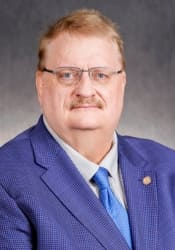
Duane Quam (I) (R)
Why are you running for State Representative, and how does your experience qualify you for the position?
We need to fix our Department of Education to focus on providing our children with the skills and knowledge to pursue their dreams and succeed in life. We have many great schools in our area, but mandates are crushing them with debt, and diverting classroom time and resources from core education. We need business cost and regulations to be competitive with our neighbors. I have served on the Byron school board, and ZED governing board. I’m an experienced problem solver. I have extensive experience in the private sector, from managing large-scale projects, developing new products/innovations, fixing issues, and planning ahead to prevent unintended consequences. (IBM, Motorola, Bosch)
What are your top two priorities/issues as a candidate for the legislature?
We need to fix our Department of Education to focus on providing our children with the skills and knowledge to pursue their dreams and succeed in life. We have many great schools in our area, but mandates are crushing them with debt, and diverting classroom time and resources from core education. We need business cost and regulations to be competitive with our neighbors.
What can the state legislature do to improve Minnesota's business climate and make the state more competitive for business and job growth?
By looking at the other states in our region, we can see the differences that are making Minnesota less attractive and competitive. Then fixing the outliers in our regulatory, fee, and tax systems.

Heather Holmes (DFL)
Why are you running for State Representative, and how does your experience qualify you for the position?
I'm running because I want rural communities to have a seat at the table when decisions are made in St. Paul. I believe we deserve vibrant rural communities where people can live, work, and raise their families. I've worked in scientific research for over two decades in a variety of fields. That work has taught me how to take in a lot of new information, look at the data honestly, and use it to solve problems. I also served on the Byron School Board, where I saw firsthand how state funding decisions affect local budgets and taxpayers. Both experiences taught me the importance of listening to people who know more than I do when making decisions. Knocking on doors across the district, I've heard how much rising costs and disappearing services are weighing on families, and I want to work on solving those problems.
What are your top two priorities/issues as a candidate for the legislature?
My first priority is making sure our public schools are properly funded. For years, state funding hasn't kept pace with inflation, and special education costs that aren't fully covered get pushed onto local budgets. That leaves districts with two bad options: cut programs and teachers, or ask local property taxpayers to make up the difference. This hits our smaller communities especially hard. The state made some large investments in 2023, but they didn't make up for years of falling behind. I want school funding to keep pace with what it actually costs to educate kids and to pay our staff adequately.
My second priority is making health care more affordable and accessible, especially in rural Minnesota. Families are struggling with the cost of care, while hospitals and clinics cut services and volunteer ambulance crews are stretched thin. It's also getting harder to find home health care workers, which makes it difficult for older Minnesotans to stay in their own homes and communities as they age. If we lose these services, people either go without care or have to leave the towns they've lived in for decades. I want to look at how the state can lower costs and support the rural health care workforce so care stays available close to home.
What can the state legislature do to improve Minnesota's business climate and make the state more competitive for business and job growth?
Families choose to live in our communities when they can afford to and have access to what they need, like childcare and good schools. Businesses need workers, and workers need to be able to live near where they work and provide for their families. The state can help by making housing, childcare, and health care more affordable and by investing in public schools that make people want to move here and stay.
To help businesses directly, I'm open to looking at targeted tax relief for small business owners. I also think the Legislature should take a hard look at regulations and permitting requirements that are redundant or don't add anything for safety but cost businesses time and money. If two agencies require the same thing, or a process drags on for months without protecting anyone, we should streamline it. Keeping the rules that protect workers, customers, and the environment while cutting the ones that only add cost helps both businesses and communities.