DISCLAIMER: The opinions expressed in the candidates responses are the sole views of their own. They do not reflect the opinions or views of the Rochester Area Chamber of Commerce or its members. The publication of the candidates statements therein do not imply the expression of any endorsement whatsoever by the Rochester Area Chamber of Commerce or its members.

District 20
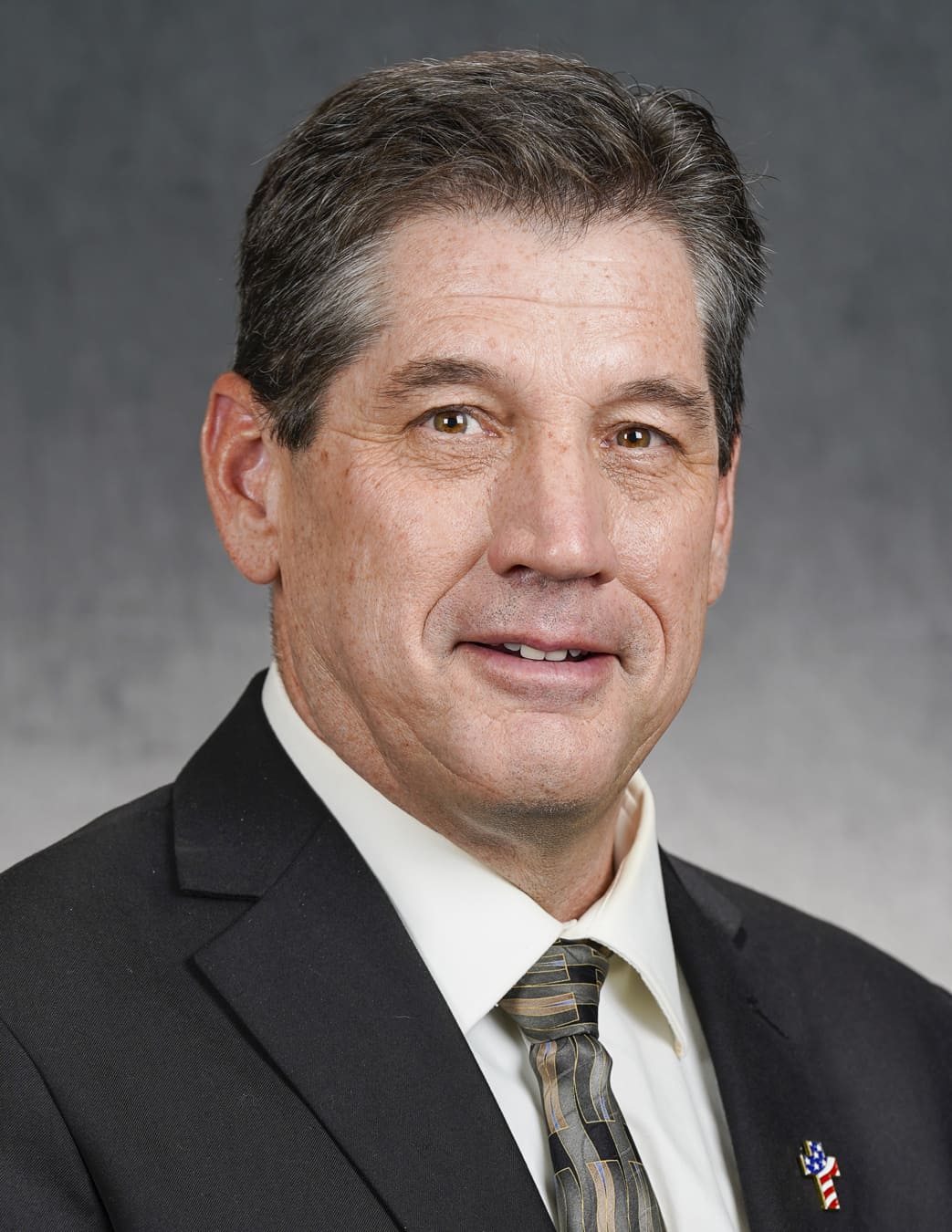

Steven Jacob (I) (R)
Why are you running for State Senate, and how does your experience qualify you for the position?
I am running to contain government and make Minnesota a better place to live for our children and grandchildren.
Many politicians tell you what they will do based on what they think you want to hear. I believe past performance is the best indicator of future performance. I am proud of my conservative voting record and the work I have done to support small businesses and agriculture in our state. During my ten years as a Winona County Commissioner we reduced the number of county employees from 360 down to 280. Then, I initiated the sale of our county government center and moved the reduced number of employees into fewer buildings. This physically reduced the size of government. During those years we actually achieved property tax DECREASES of as much as 6% for three consecutive years.
My resume of qualifications is lengthy. I am a fourth-generation family farmer. I served ten years as a Winona County Commissioner. I am currently serving my fourth year as a State Representative. I currently serve on our State Agriculture and Finance Committee, the Environment and Natural Resources Committee, the Rules and Legislative Committee, the Human Resources Committee, the Legislative Audit Committee, and the Clean Water Council. During my years as a County Commissioner I served on as many water resource boards as possible. I also chaired the Winona County Road and Bridge Committee for ten years.
What are your top two priorities/issues as a candidate for the legislature?
Cut Taxes and End Fraud
What can the state legislature do to improve Minnesota's business climate and make the state more competitive for business and job growth?
1) Reduce Bureaucracy:
We must curb government overreach from regulatory agencies to reduce red tape and compliance burdens on Main-street businesses, farms, and local employers. We also need to find relief for small businesses from the Paid Family Medical Leave program. Protecting private property and reducing property taxes must also be a priority.
2) Lower Taxes:
We need to control state spending to lower tax rates and make Minnesota competitive with neighboring states.
3) Support small businesses and rural enterprise:
State government must create a predictable, low-cost environment that allows local businesses to thrive without burdensome mandates. I am proud of my endorsement from NFIB (National Federation of Independent Business) for my voting record supporting small business growth.
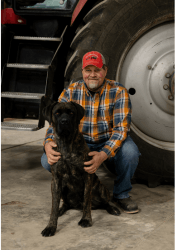
Jason Lohmann (DFL)
Why are you running for State Senate, and how does your experience qualify you for the position?
I am running for the Minnesota Senate because I believe too many decisions are being made without enough attention to the people those decisions affect. Elected officials have a responsibility to listen to their constituents, experts, and people with different viewpoints—even when conversations are difficult.
I believe bipartisan cooperation is essential to getting things done. We need more teamwork, more honest conversations, and fewer political fights. When we disagree, we should focus on what we have in common and work together to find solutions that benefit our communities.
I have spent years serving my community and learning how to do exactly that. I am in my 10th year on the Zumbrota-Mazeppa School Board and serve on the Goodhue County Education District Board, making important decisions about special education across multiple districts. I am also in my 5th year on the Zumbrota Township Board and 3rd year on the Zumbrota Rural Fire Board. I previously served on the Goodhue County Fair Board.
These experiences have taught me that good leadership means listening, asking questions, considering all sides, and working toward solutions. I would bring that same approach to the Minnesota Senate: listening first, working together, and putting the people we represent ahead of political division.
What are your top two priorities/issues as a candidate for the legislature?
One of my top priorities is increasing funding for rural infrastructure. Many of our rural communities are in desperate need of updated roads, bridges, water systems, and other essential infrastructure. In Senate District 20, some communities are unable to build new homes because their water treatment facilities have reached capacity. We need to invest in the infrastructure our communities need to grow, attract new families and businesses, and remain strong for generations to come.
Another top priority is working toward fully funding PreK–12 education and special education. Our children are our future, and every child deserves access to a high-quality education and the support they need to succeed. We should never put schools in the position of having to choose between meeting the needs of students in special
education and providing opportunities for other students. Every child deserves the resources they need to succeed
What can the state legislature do to improve Minnesota's business climate and make the state more competitive for business and job growth?
This year, I have been talking with small business owners across the district to better understand the challenges they face. Three concerns I hear most often are the cost and requirements of Minnesota’s paid leave program, wage requirements for younger workers, and the overall tax burden.
I believe we need to take a careful look at these issues and find ways to reduce unnecessary burdens while still supporting Minnesota workers. When small businesses are able to grow, they can create more jobs, invest in their communities, and strengthen our local economies.
We also need to take a hard look at unfunded mandates that place additional costs on businesses and local communities. Rural businesses often face challenges that are different from those in larger cities, and a one-size-fits-all approach does not always work. I favor giving more control and flexibility to local governments and business owners who understand the needs of their communities. By listening to those directly affected and reducing unnecessary barriers, we can create an environment where Minnesota businesses can grow and create good-paying jobs.