DISCLAIMER: The opinions expressed in the candidates responses are the sole views of their own. They do not reflect the opinions or views of the Rochester Area Chamber of Commerce or its members. The publication of the candidates statements therein do not imply the expression of any endorsement whatsoever by the Rochester Area Chamber of Commerce or its members.

District 24
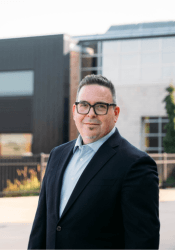
Simon Glaser (DFL)
Why are you running for State Senate, and how does your experience qualify you for the position?
As a public school teacher, I understand the struggles of working people. That’s why I have dedicated years of my life to fighting for working people as a union leader. My experience is rooted deeply in my local communities as an educator, and I want to bring this perspective and experience to St. Paul as a legislator. I am guided by the idea that government works best when all Minnesotans are guaranteed both dignity and opportunity. This is what I hope to achieve as the next State Senator for Senate District 24. I’m not running for the title, or to level up my career, I’m running to deliver real results for the people of Rochester, Olmsted and Dodge County, and continue my decades-long track record of service.
What are your top two priorities/issues as a candidate for the legislature?
My campaign’s top priorities are to bring down costs, and to fight fraud.
Life keeps getting more expensive, no matter your party, and I can’t shake the feeling that we used to do a better job looking out for the everyday people in this country. I believe that whether it is high costs of housing, or unaffordable healthcare expenses, we can and must work to bring down costs for Minnesotans.
Second, I take the issue of fraud very seriously. I believe the number one job of elected officials is to protect people’s tax dollars, but our state government failed to do that. I would proudly work across the aisle with Republicans to ensure that fraudsters are held accountable to the fullest extent of the law. I would also work to expand government transparency, and ensure taxpayers have a government they can trust to do its job correctly and efficiently.
What can the state legislature do to improve Minnesota's business climate and make the state more competitive for business and job growth?
Minnesota has long been one of the best states to do business, and I would work hard to maintain that. I believe one of the best ways we can ensure our state and its businesses thrive is by attracting and retaining great workers who have access to a high quality of life. This is why I would strive to guarantee that Minnesotans have access to good schools, healthy communities, and a quality of life that allows them to thrive.
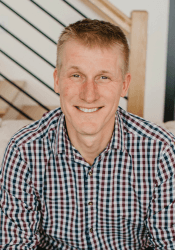
Nels Pierson (R)
Why are you running for State Senate, and how does your experience qualify you for the position?
I previously represented House District 26B for eight years, from 2015 through 2022, giving me firsthand experience with the legislative process and the issues facing our region.
I’m very concerned with the direction the legislature has taken since I left the House. We now have rampant fraud, state spending out of control, and record number of school districts asking voters for more property tax increases. With Senator Carla Nelson retiring, we need someone with the experience to take on those issues in the legislature, and that is why I am running for the Minnesota Senate.
My professional and community experience extends beyond elected office. I have more than 20 years of experience in property development and real estate, and I currently work in property development and government relations. I also serve as a Direct Support Professional, caring for people with disabilities. My wife and I have purchased two local family businesses, with the goal of preserving and revitalizing them.
During my House service, I worked on issues involving health care and services for vulnerable Minnesotans, education, agriculture, and rural communities. I supported legislation involving child-care tax credits, student loans, military retirement benefits, and opioid-response programs.
That combination of legislative experience, business experience, and community service is the background I would bring to the Minnesota Senate.
What are your top two priorities/issues as a candidate for the legislature?
Clearly, the top issue in this election is fraud. Minnesotans deserve confidence that every tax dollar is being spent responsibly. Recent instances of fraud involving public funds have demonstrated the need for stronger oversight, greater transparency, and real accountability.
State government should strengthen safeguards, improve financial oversight, and aggressively investigate fraud to ensure taxpayer dollars reach their intended purpose. Government must earn the public’s trust by preventing waste, holding wrongdoers accountable, and protecting the resources that families work hard to provide.
Secondly, strong fiscal management is essential to Minnesota’s long-term success. Government should budget responsibly, prioritize essential services, and avoid creating ongoing spending commitments that future taxpayers cannot sustain.
In 2023, with total control of the state government, the DFL increased the state budget by 40%, putting state government on an unsustainable trajectory. Government should live within its means just like Minnesota families do.
We should carefully evaluate every dollar spent, focus on efficient government, and make investments that provide lasting value. Responsible budgeting protects taxpayers while ensuring Minnesota remains financially strong for future generations.
What can the state legislature do to improve Minnesota's business climate and make the state more competitive for business and job growth?
I would focus on making Minnesota a place where businesses can confidently invest, grow and create jobs. That means addressing three areas: taxes, regulation, and workforce.
First, Minnesota needs a predictable and competitive tax environment. The state should avoid unnecessary tax increases and look for opportunities to simplify and reduce taxes that discourage investment and job creation. Minnesota currently has the nation’s second-highest corporate income-tax rate, according to the Tax Foundation.
Second, we need to reduce unnecessary regulatory burdens and make permitting more predictable. Businesses should be able to understand the rules, receive decisions in a reasonable timeframe and plan investments without constantly changing requirements. Minnesota business surveys have identified regulatory costs and delays as barriers to expansion.
Finally, we need a workforce capable of filling the jobs businesses are creating. That means improving K–12 education, expanding career and technical education and strengthening connections between employers and training programs. Housing and child-care availability also affect whether businesses can attract and retain workers.
Minnesota already has tremendous assets—excellent companies, universities, health care and a skilled workforce. The Legislature's role should be to remove barriers to growth and create a stable environment in which Minnesota businesses can compete and Minnesotans can find good jobs.